Process Instrumentation and Controls

Process, Instrumentation, and Controls

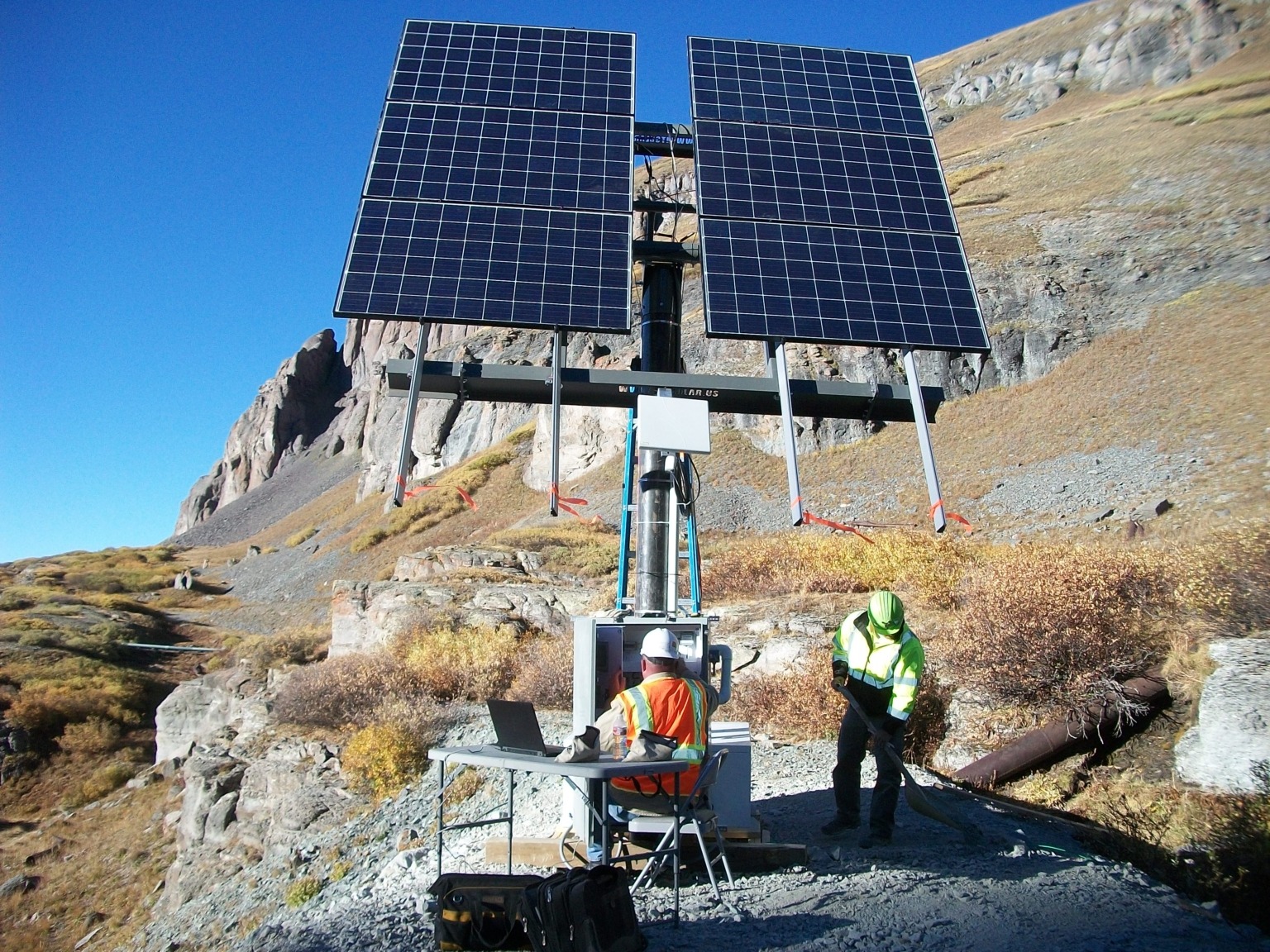
The professional staff at EA also includes process, electrical and control engineers.  Our instrumentation and controls team has a comprehensive background in industrial process automation supporting the design, install, commissioning, and monitoring of systems that control and measure variables including pressure, temperature, humidity, flow, pH, force, and speed. Our common sense approach and years of field experience combined with our engineering expertise allow us to solve your process instrumentation and controls problems and make your project a success.
KEY SERVICES

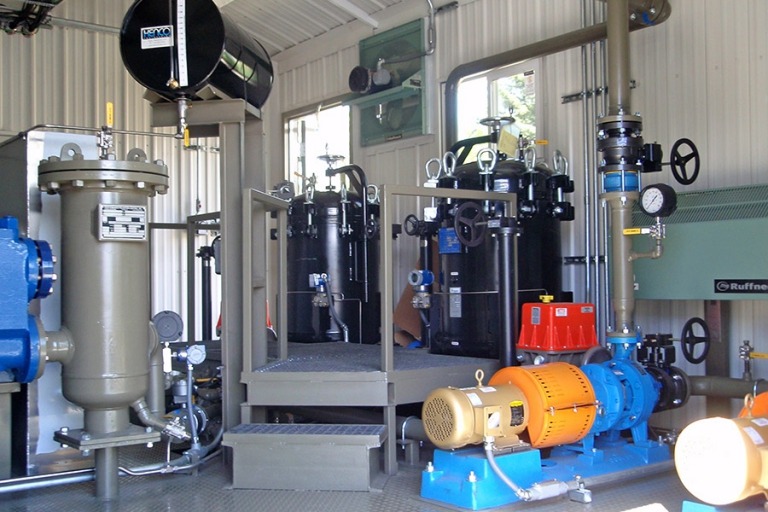
  • Water Treatment Design: Enhance efficiency and quality with our specialized water treatment design solutions tailored to meet stringent industry standards.
  • Instrumentation, Controls, and PLC: Achieve optimal performance and reliability through our advanced instrumentation, controls, and PLC programming expertise.
  • Electrical Design and Arc Flash: Ensure safety and efficiency with our meticulous electrical design services and comprehensive arc flash analysis.
  • Mechanical Design: Optimize system functionality and durability with our innovative mechanical design solutions for process instrumentation and controls applications.

Project Examples

Process Instrumentation Frequently Asked Questions

A process control loop is made up of several core components that work together to monitor and regulate system performance. These typically include:

  • A sensor or transmitter that measures the process variable

  • A controller, such as a PLC, evaluates incoming data

  • A final control element that adjusts the process based on control logic

Together, these components allow the system to maintain stable and consistent operating conditions.

EA does not offer wireless process instrumentation solutions but has partnered with firms that do and can provide the electrical engineering required.

Engineering Analytics supports the design, installation, commissioning, and monitoring of process instrumentation and controls systems. Routine calibration and ongoing maintenance services are not the primary focus of our instrumentation and controls work and are evaluated based on project scope and operational needs.

No, but we are currently working on providing the ability to do small programming updates and changes.
Commissioning ensures that process instrumentation and control systems are installed correctly, configured properly, and function as intended before full operation begins. This step supports reliable startup and helps reduce operational issues after deployment.

Electrical services supporting process instrumentation and controls include:

  • Electrical system design
  • Arc flash analysis supports safety and compliance
  • PLC and Cabinet Design

These services help ensure safe and efficient system operation.

Process instrumentation equipment manufacturers are evaluated based on how well their products align with project requirements, operating conditions, and system performance needs. Considerations include compatibility with control systems, reliability, and suitability for the intended application rather than brand preference alone. Owner preference and requirements are also a deciding factor.
Design decisions are driven by engineering requirements and system performance goals. Manufacturer selection is evaluated as part of the design process to ensure instrumentation and controls meet project needs without limiting flexibility or future system changes.
Some process instrumentation manufacturers are better suited for specific applications because they focus on particular measurement types, operating environments, or process conditions. Suitability is evaluated by comparing application requirements, measured variables, environmental factors, and system conditions to equipment capabilities, rather than relying on general brand reputation alone. Existing equipment and how it integrates with different manufactures is also a key factor in the decision matrix.
Compatibility with existing instrumentation, controls, and PLC platforms is essential. Equipment must integrate smoothly with system architecture, communication protocols, and control logic to support effective operation and monitoring.

© 2026 Engineering Analytics, Inc.
crosschevron-down