Aerospace Site Assessments and Industrial Mitigation

For more information regarding our Industrial services, please contact Chris Ross, P.G.

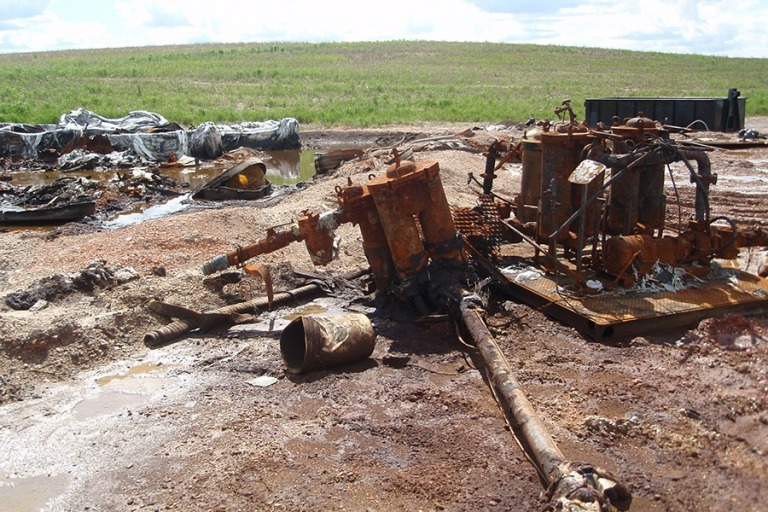
Engineering Analytics, Inc.’s (EA’s) environmental engineering expertise provides services to a wide range of governmental and private clients for soil, groundwater, surface water, and industrial discharge assessments and clean up. Our industrial and aerospace group has experience in a diverse set of industrial sites such as refineries, mining facilities (surface and underground), gas plants, gas compressor stations, oil production facilities, alternative fuels, chemical manufacturers, chemical recycling, chemical distribution, aerospace manufacturing, metal processing, airports, service stations, solid waste, hazardous waste, and mixed waste landfills. Projects have been conducted under the Resource Conservation and Recovery Act (RCRA), Federal Comprehensive Environmental Response, Compensation, and Liability Act (CERCLA), state Superfund, and state, county and local jurisdictions.
Areas of Expertise:

Site Assessment and Investigations

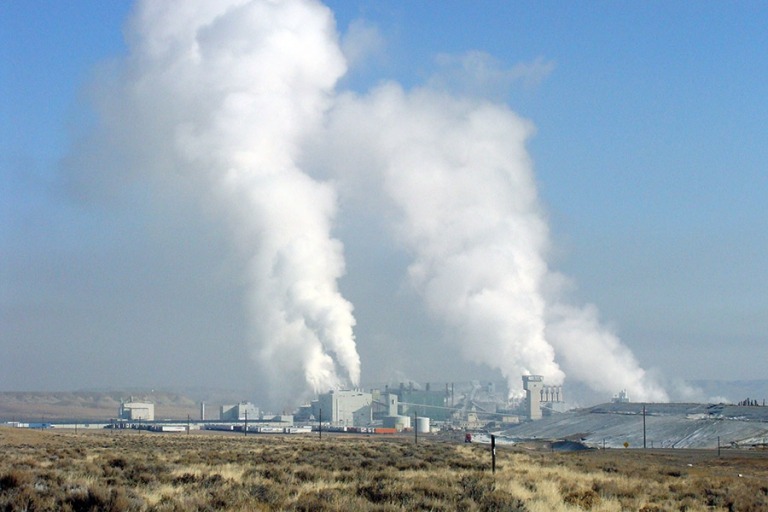
EA has implemented hundreds of Phase I and Phase II site assessments throughout the US. EA’s approach is to “begin with the end in mind” through collaboration with our clients and their counsel to identify the desired project outcome. EA’s engineers and scientists have conducted soil and groundwater contamination studies, emerging contaminant evaluations, vapor intrusion screenings, groundwater and surface water modeling, and forensic investigations. EA also participates in public outreach and communications to government entities.
learn more >
Remedial/Mitigation Evaluations and Design

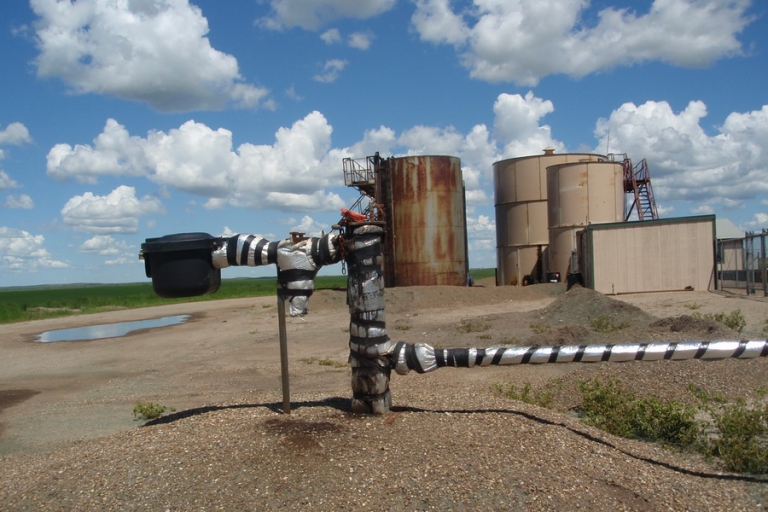
EA has broad-based technical expertise covering all aspects of environmental site evaluations and design. Our environmental engineers and geologists have many decades of collective experience in contaminant modeling, feasibility studies, vapor intrusion studies, treated end use evaluations, and the design of remediation systems.
learn more >
Remedial Action, Optimization, & Regulatory Closure

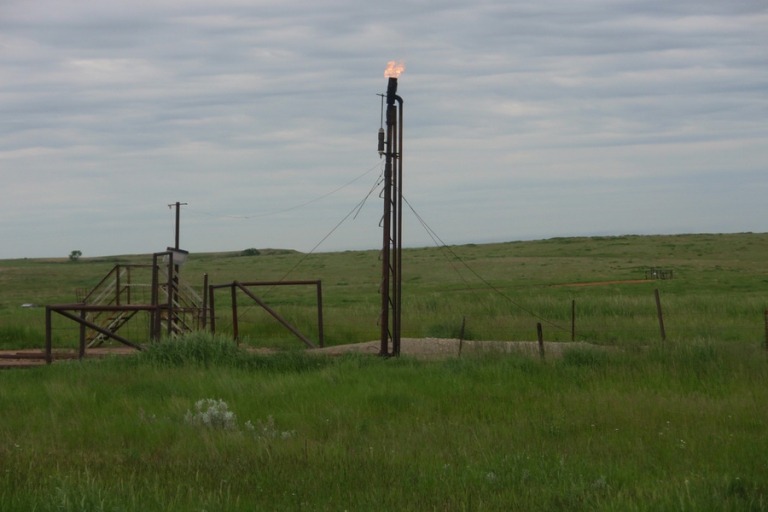
EA’s senior professionals have significant experience in implementing and optimizing remedial systems, conducting risk assessments of existing and potential systems, protecting municipal supply wells, and accelerating regulatory closure while managing risk and ensuring sustainable operations. EA is on the leading edge of changes to technologies. We provide regulatory oversight and focus on long-term sustainably of projects both from a regulatory and client perspective.
learn more >
Permitting & Compliance

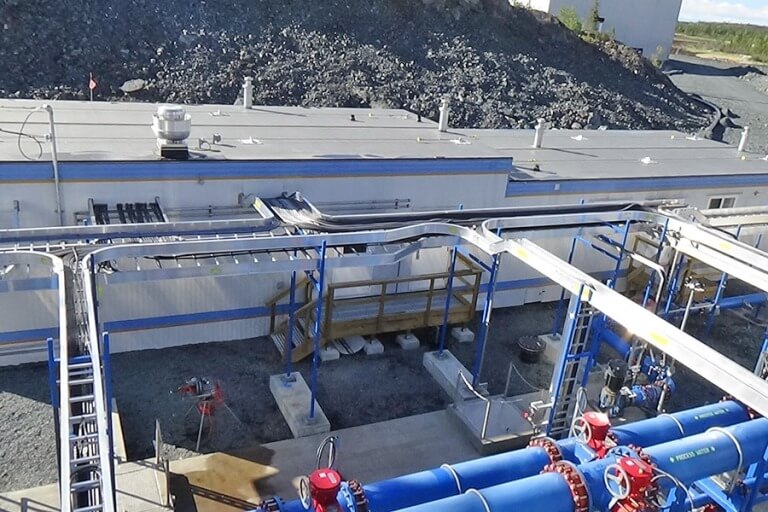
EA offers environmental permitting and compliance solutions as stand-alone sevices or in conjunction with other projects. EA professionals constantly collaborate with clients and their counsel to conduct agency negotiations, prepare regulatory summaries, assist in environmental and air permits, negotiate NPDES permits, and assess and manage stormwater.
learn more >
Industrial Water Treatment

EA staff have expertise in the process design of systems for the treatment of industrial wastewater and groundwater remediation using chemical, physical, and biological processes.
learn more >
What types of industrial sites does EA work on?
EA serves aerospace facilities, refineries, chemical manufacturers, gas plants, airports, metal processing facilities, and hazardous waste landfills. Projects typically fall under RCRA, CERCLA, or state regulatory programs.
What does a Phase I and Phase II site assessment include?
Phase I covers historical research for a specific property or project; Phase II involves field sampling of soil, groundwater, surface water, soil gas and/or indoor air. EA also evaluates emerging contaminants and performs vapor intrusion evaluations when relevant.
How much does an industrial site assessment cost?
Costs depend on site size, regulatory scope, and sampling requirements. A limited Phase I is significantly less than a full Phase II with groundwater delineation and modeling. Data gaps are the largest cost driver.
How long does a Phase II environmental investigation take?
Most Phase II investigations take several months from planning to reporting. Field access, laboratory turnaround, and agency coordination influence schedule. Complex plume delineation can extend timelines.
What triggers a CERCLA or RCRA cleanup requirement?
Cleanup is typically triggered by confirmed releases that exceed regulatory standards. Agency notification, risk thresholds, and historical site use determine the governing framework. Federal and state oversight may both apply.
How do remedial evaluations support cleanup decisions?
They identify the most effective cleanup strategies by assessing soil, groundwater, and contaminant behavior, then inform remediation design and cost estimates.
What contaminants has EA worked with?
Volatile organic compounds, metals, perchlorate, 1,4-dioxane, solvents, Per- and polyfluoroalkyl substances (PFAS), fuels and other complex waste streams. Evaluation and modeling help tailor solutions to site-specific conditions.
What are emerging contaminants in industrial investigations?
Emerging contaminants include compounds such as PFAS and 1,4-dioxane that may not have been historically regulated. Regulatory expectations are evolving, making early evaluation important.
How does vapor intrusion affect industrial properties?
Vapor intrusion occurs when volatile contaminants migrate from subsurface soil gas into buildings. Screening, modeling and empirical evaluations determine whether mitigation systems are required. This issue is common at former industrial facilities and fuel sites.
Can remediation reduce long-term environmental liability?
Yes. Proper remedial design and documentation reduce future enforcement risk and third-party exposure. Optimization can also shorten active cleanup duration.
What is remedial system optimization?
A review of existing systems to improve removal efficiency, cut operating costs, and/or streamline monitoring. These refinements can extend system life or accelerate closure goals.
Can remediation systems be optimized after installation?
Yes. System optimization evaluates flow rates, treatment efficiency, and operating cost to improve performance. Adjustments can extend equipment life, reduce labor requirements and reduce energy demand.
How does EA help with regulatory closure?
EA negotiates with federal, state, and local agencies to remove unnecessary requirements and secure approvals under RCRA, CERCLA, and state programs.
How is regulatory closure achieved for contaminated sites?
Closure is achieved when cleanup goals meet agency-approved standards. This may involve risk assessments, long-term monitoring, institutional controls or engineering controls. Clear documentation is essential.
What permitting and compliance support does EA provide?
Air, wastewater, groundwater discharge and stormwater permits, agency negotiations, compliance summaries, and coordination of testing and reporting.
What permits are typically required for industrial wastewater discharge?
Industrial facilities often require NPDES or state discharge permits. Stormwater and air permits may also apply depending on operations. Monitoring and reporting requirements are ongoing obligations.
Can EA design and manage industrial water treatment systems?
Yes, for wastewater, groundwater extraction, and industrial discharges, with a focus on cost-effective capital and operating solutions.
Does EA provide construction and start-up support?
EA offers project management, construction oversight, start-up assistance, and operator training for water and remediation systems.
What industries commonly require environmental mitigation services?
Refineries, aerospace manufacturers, chemical plants, airports, metal processors, and waste facilities frequently require assessment and remediation. Regulatory oversight varies by site history and contaminant type.

© 2026 Engineering Analytics, Inc.

chevron-down