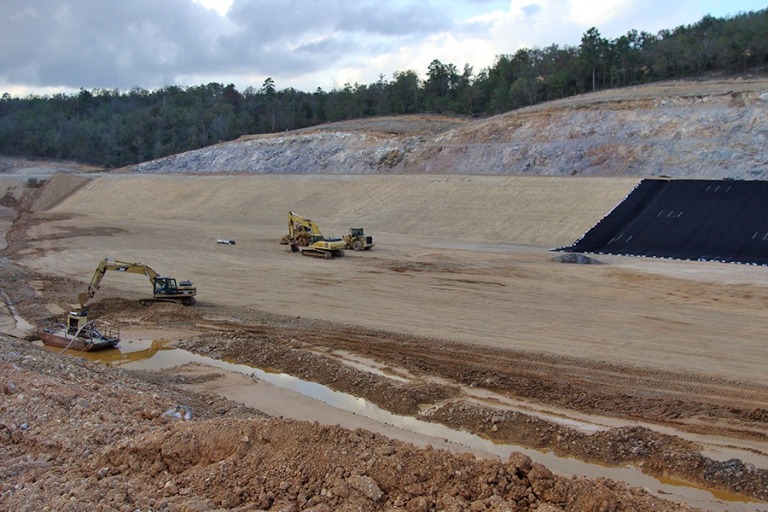
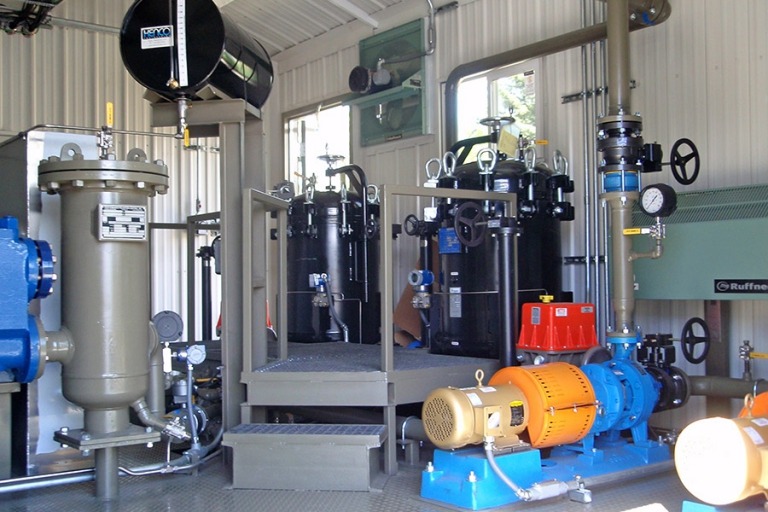
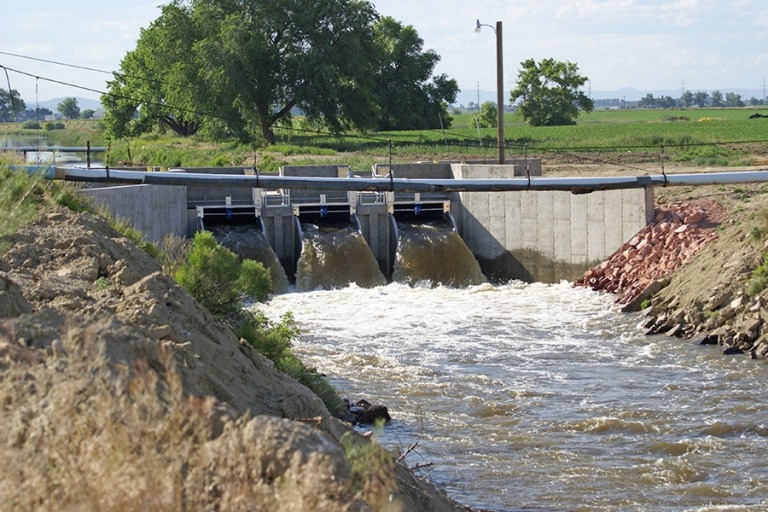
Engineering Analytics, Inc. provides engineering and materials testing services to private, municipal, and industrial clientele throughout the Rocky Mountain region. Cost effective services are provided for projects of all types and sizes, including design and construction of electrical substations, dams, mine site reclamation, water treatment plants, and buildings. Specific tasks associated within our materials testing services include:
Our field services are designed to ensure accurate and reliable results through comprehensive on-site testing and inspection. Our field services include:
Concrete, Masonry, Grout, and Soils Testing:
Onsite Inspection:
Sub-Surface Exploration and Sampling:
Asphalt Proof Rolling and Density Testing:
Rebar Inspection:
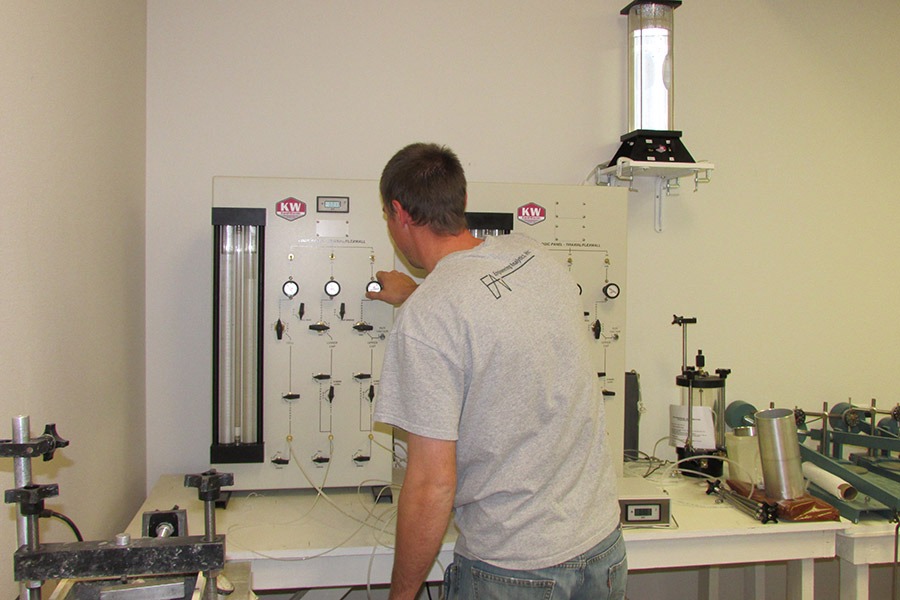
Materials testing requirements are established by project specifications, applicable building codes, municipal standards, or permitting conditions. Testing is mandatory when specified in contract documents or required for regulatory compliance, inspection acceptance, and quality assurance documentation.
Field testing and inspection services can be mobilized during active construction phases. This typically occurs when inspection requirements expand, non-conforming materials are identified, or additional quality verification becomes necessary to satisfy contract requirements or regulatory conditions.
Test results from qualified materials testing laboratories operating under AASHTO accreditation programs are generally accepted by municipal inspectors, engineers of record, and regulatory agencies.
Projects with elevated materials testing and quality control requirements include:
Engineering Analytics provides materials testing and construction inspection services across the Rocky Mountain region from our Fort Collins base. Our field and laboratory teams support projects throughout northern Colorado, including Fort Collins, Loveland, Greeley, Longmont, Boulder, Denver, Colorado Springs, Estes Park, and surrounding Front Range and mountain communities. We also serve Wyoming municipalities such as Cheyenne and Laramie, as well as Raton, New Mexico.
Early identification of non-conforming materials through systematic testing protocols prevents costly removal and replacement of installed work. Real-time quality control reduces change order exposure by verifying material compliance before construction activities proceed beyond the point where economical correction is feasible.
Materials testing serves dual functions: verifying regulatory and specification compliance while validating that material properties align with design assumptions for structural performance, durability, and service life expectations under anticipated loading and environmental conditions.
Materials testing costs are allocated according to contract terms and may be borne by the owner, general contractor, or developer.

© 2026 Engineering Analytics, Inc.